

Waiting-room reading
How to collect a cat urine sample at home
The needle-free method, step by step — from swapping the litter to capping the vial, without stressing the patient.
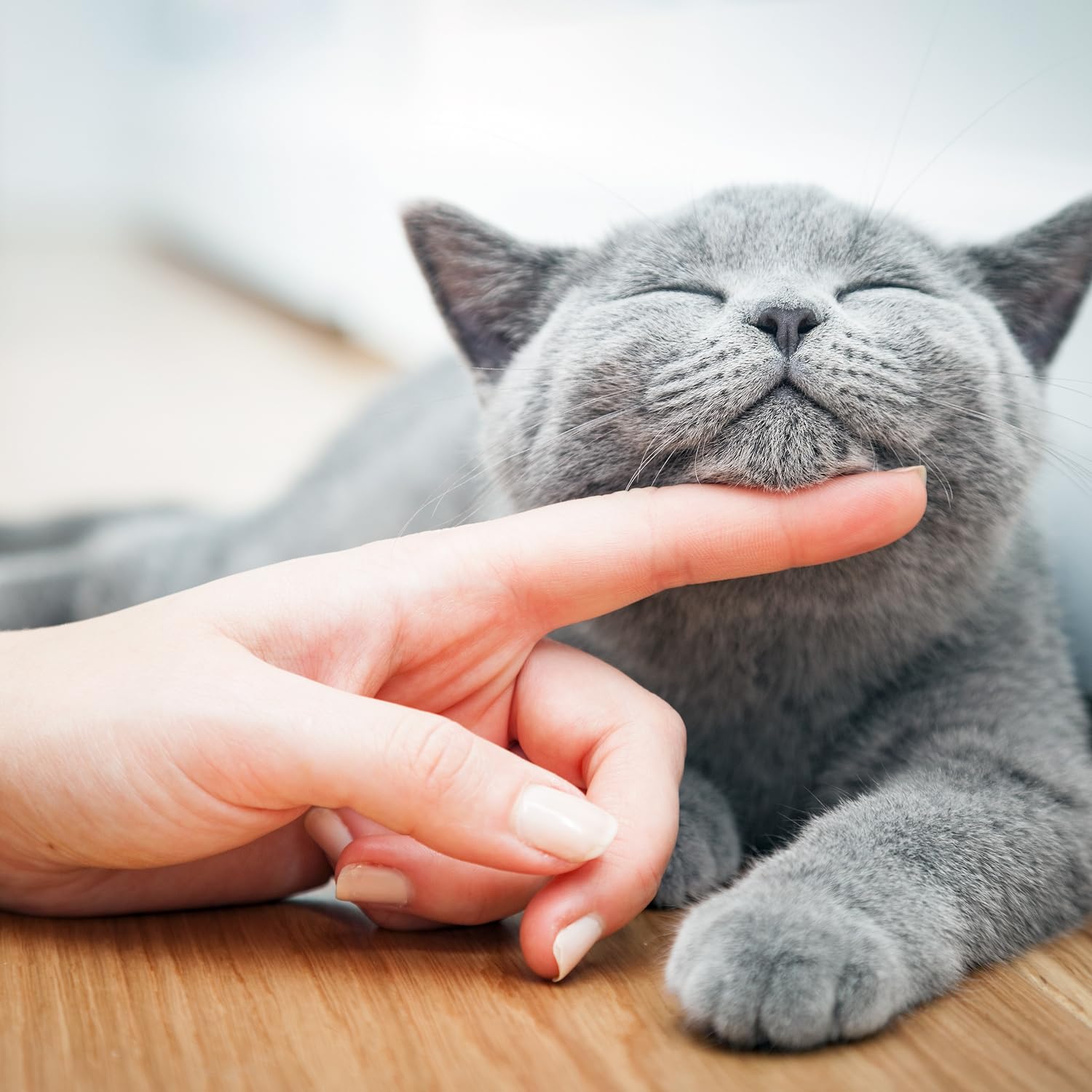
The old way to get urine out of a cat is called cystocentesis: a needle through the abdominal wall into the bladder, performed at a clinic, on a cat who already hates the carrier. It is safe in professional hands and sometimes medically necessary — but for routine monitoring, it is a lot of needle for a little liquid. The at-home way takes one morning and zero restraint.
Start the night before: empty and wash the litter box, dry it completely, and pour in all three bags of the hydrophobic sand. The amount matters — we portion a box for exactly one collection, deep enough to feel normal underfoot. Don't mix it with regular litter; absorbing litter defeats the whole physics of the thing.
Then do nothing. The sand smells and feels like a beach, and most cats use it without ceremony — the picky ones may sniff and circle for a few hours, which is fine. When the visit happens, the urine beads on the surface; even if your cat buries it enthusiastically, sweep the sand aside and the pooled sample pops back up intact.
Draw it up with the pipette, transfer to the vial, cap it. For testing at home, dip your strip within the hour. For the vet, refrigerate the vial and deliver it the same day — urine older than a day tells stories that aren't true. Either way, you just did the hard half of a urinalysis with a scratch behind the ears instead of a needle.